
Anyone standing in front of St Elisabeth’s Church in Marburg cannot help but be struck by the beauty of this building. Full of symmetry and harmony, the numerous window arches, the ornamentation and the towers reach skywards. Situated on the edge of the old town, which nestles like a fairy-tale scene against the Schlossberg with its narrow streets and half-timbered houses, the church provides a counterpoint to the imposing castle. The stately castle stands centrally on the hill, with the sublime sacred building situated below, somewhat off to the side.
As the church is situated rather unpretentiously right next to a busy road, it is easy to forget that this is the oldest purely Gothic church in Germany. Built from 1235 onwards, the building was dedicated to a woman whose life could not have been more extraordinary and who, in the Middle Ages, was to inspire thousands of people from various parts of Europe to undertake the arduous journey to Marburg.

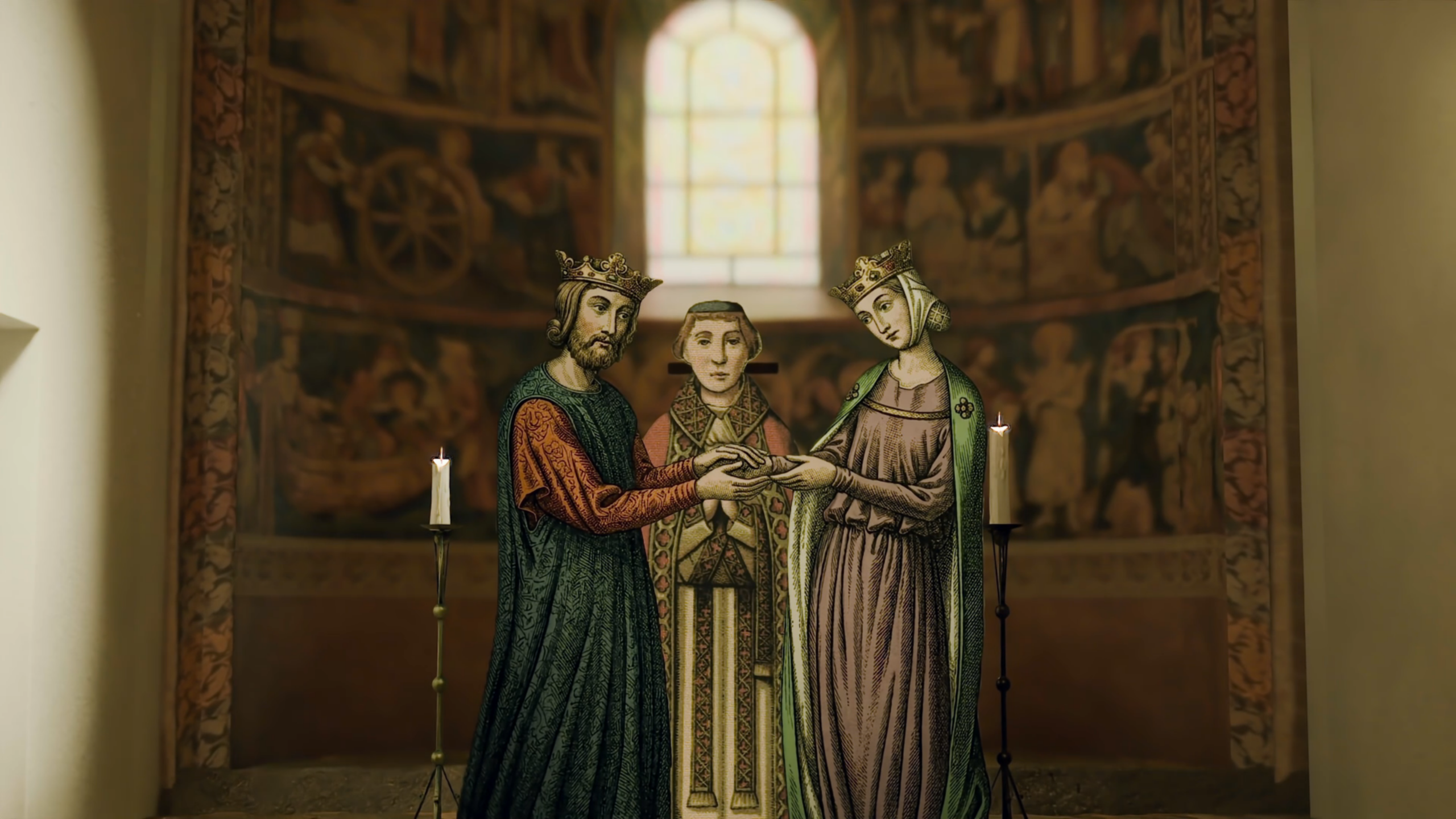
Elisabeth of Thuringia was born in 1207, the daughter of the King of Hungary. By birth, she thus belonged to a small section of the population which, in the Middle Ages, owned almost all the land and, unlike the majority of the population, lived in prosperity: the high nobility. In 1221, Elisabeth married Landgrave Louis IV of Thuringia.
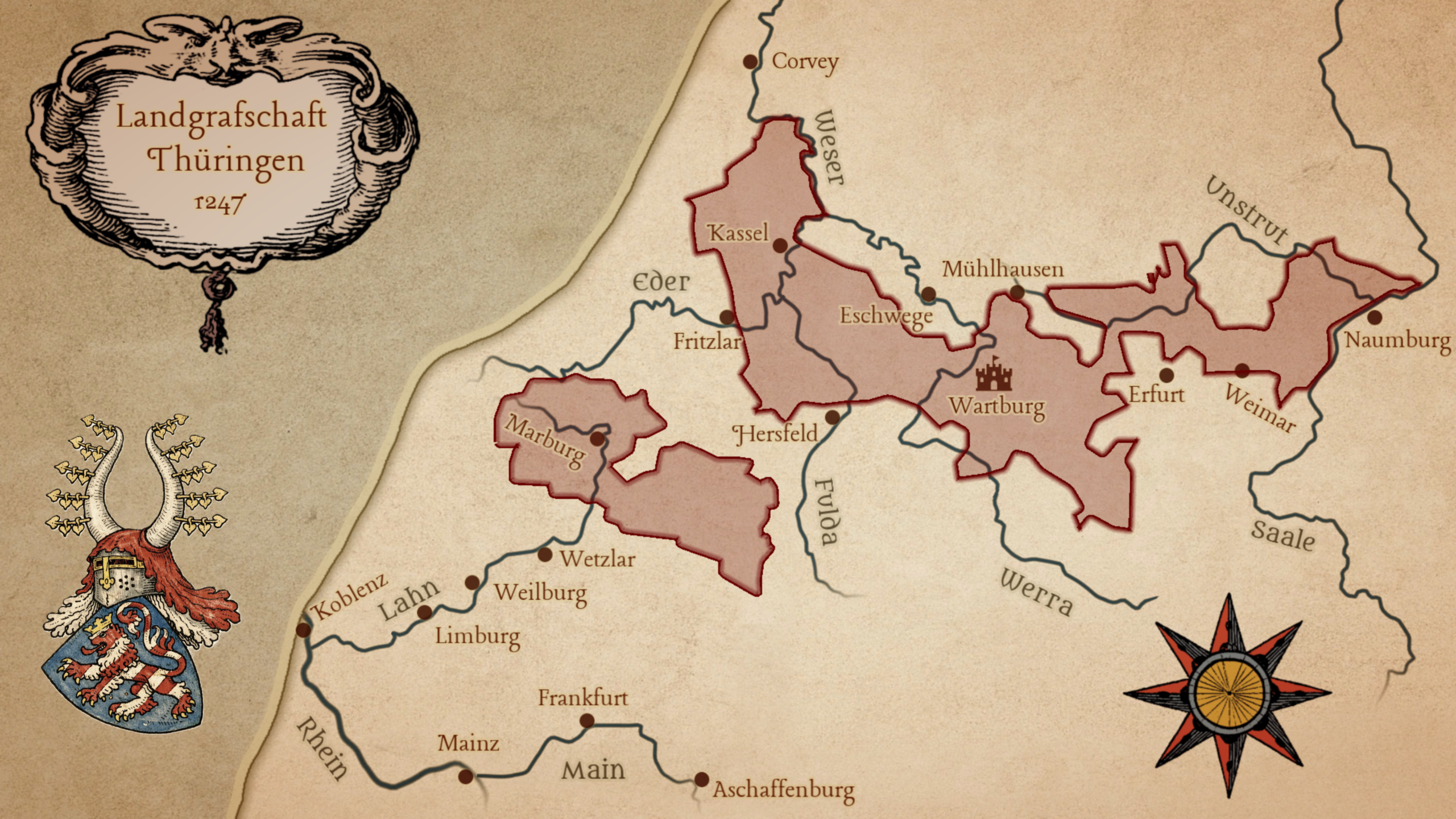
At that time, the Landgraviate of Thuringia also encompassed large parts of Hessen and was one of the most significant and influential principalities in the Holy Roman Empire.
In this position, as a royal princess and princess consort, Elisabeth was set for a life of luxury and prosperity. Yet Elisabeth did something that could be described as revolutionary.
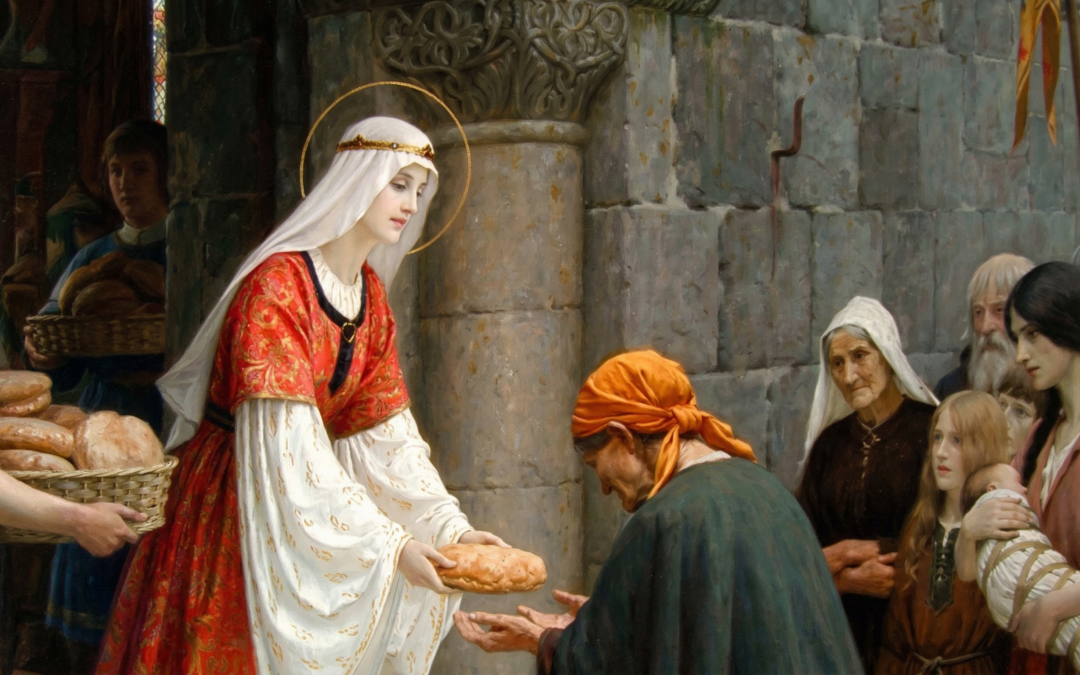
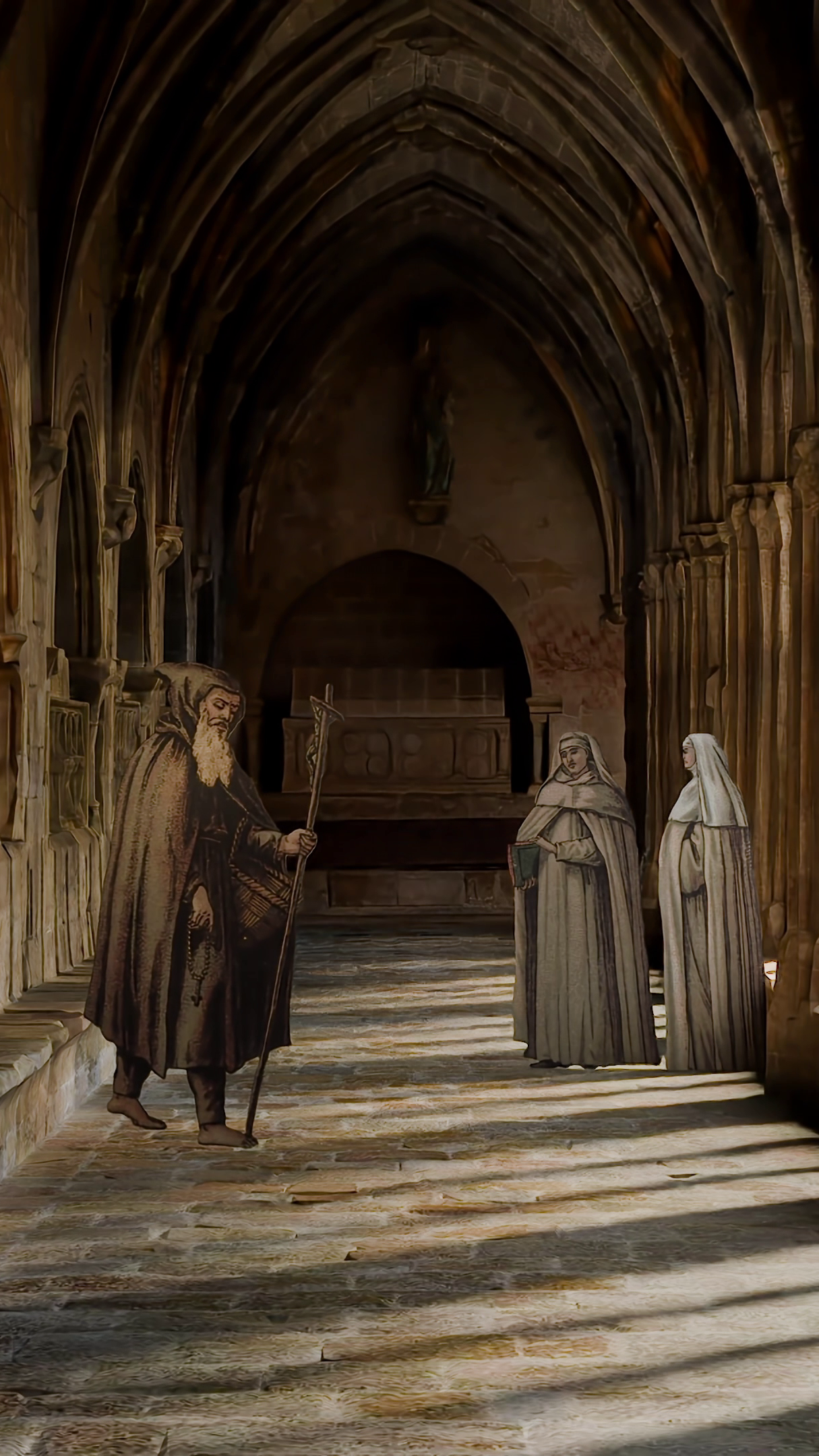
“If anyone would come after me, let him deny himself and take up his cross daily and follow me,” says Jesus in the Bible (Luke 9:23). And elsewhere, when asked by someone what one must do to attain eternal life, Jesus replies: “If you wish to be perfect, go, sell what you have and give it to the poor, and you will have treasure in heaven; and come, follow me!” (Matthew 19:21). In the High Middle Ages, during Elizabeth’s time, religious movements began to emerge that took these words seriously and whose followers sought to model their lives upon them. Mendicant orders such as the Franciscans or religious communities of women such as the Beguines were widespread. Elizabeth, who was personally deeply devout, also turned to these ideas and movements. Yet this inevitably led to breaches of the prevailing norms and courtly etiquette of her time. A king’s daughter and a princess who washed the hair of lepers in the palace, gave her jewellery away to humble subjects and dressed in rags was bound to provoke the members of her own class against her. It was probably not just the breach of norms that earned her contempt and anger. Her self-abasement and renunciation in the name of Jesus’ teachings also held up a mirror to the other nobles and inevitably raised the question of what sort of good Christians the others were, who were less zealous in following Jesus’ commandments of renunciation.

When Landgrave Louis, who had been a source of support to Elisabeth as her husband, died on a crusade in 1227, Elisabeth found herself in an unbearable situation. The Landgrave’s brothers, Henry Raspe and Konrad, refused to grant their unpopular sister-in-law the dower to which she was rightfully entitled. Destitute and powerless, the Landgrave’s widow was in danger of becoming a pawn of the princes, whose primary interest lay in bringing the princess’s scandalous behaviour to an end as quickly as possible. A solution acceptable to all parties was found when Elisabeth’s confessor, Konrad of Marburg, was appointed by the Pope as protector and secular guardian of the landgrave’s widow. Through negotiations with the Thuringian princes, Konrad secured a substantial financial settlement for Elisabeth and granted her permission to establish a hospital in Marburg.
After moving to Marburg in 1228, Elisabeth devoted herself from then on to caring for the sick and lepers, as well as to running the hospital. And she did so through simple manual labour such as washing soiled nappies. News of this outstanding charitable work soon spread throughout the empire and beyond.
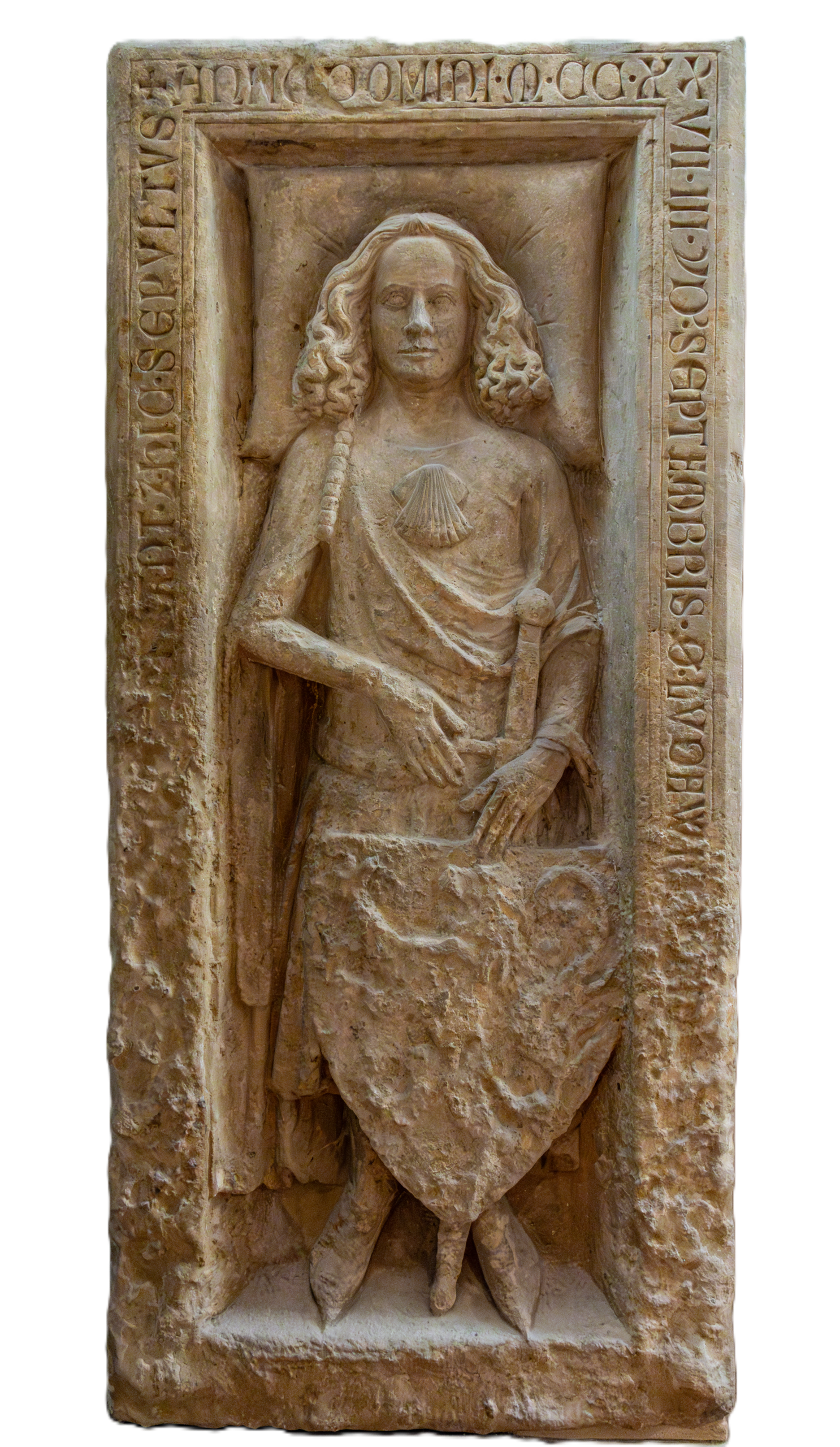
Grabplatte Ludwigs IV. von Thüringen: Nilaxus, CC BY-SA 4.0, https://creativecommons.org/licenses/by-sa/4.0/, via Wikimedia Commons
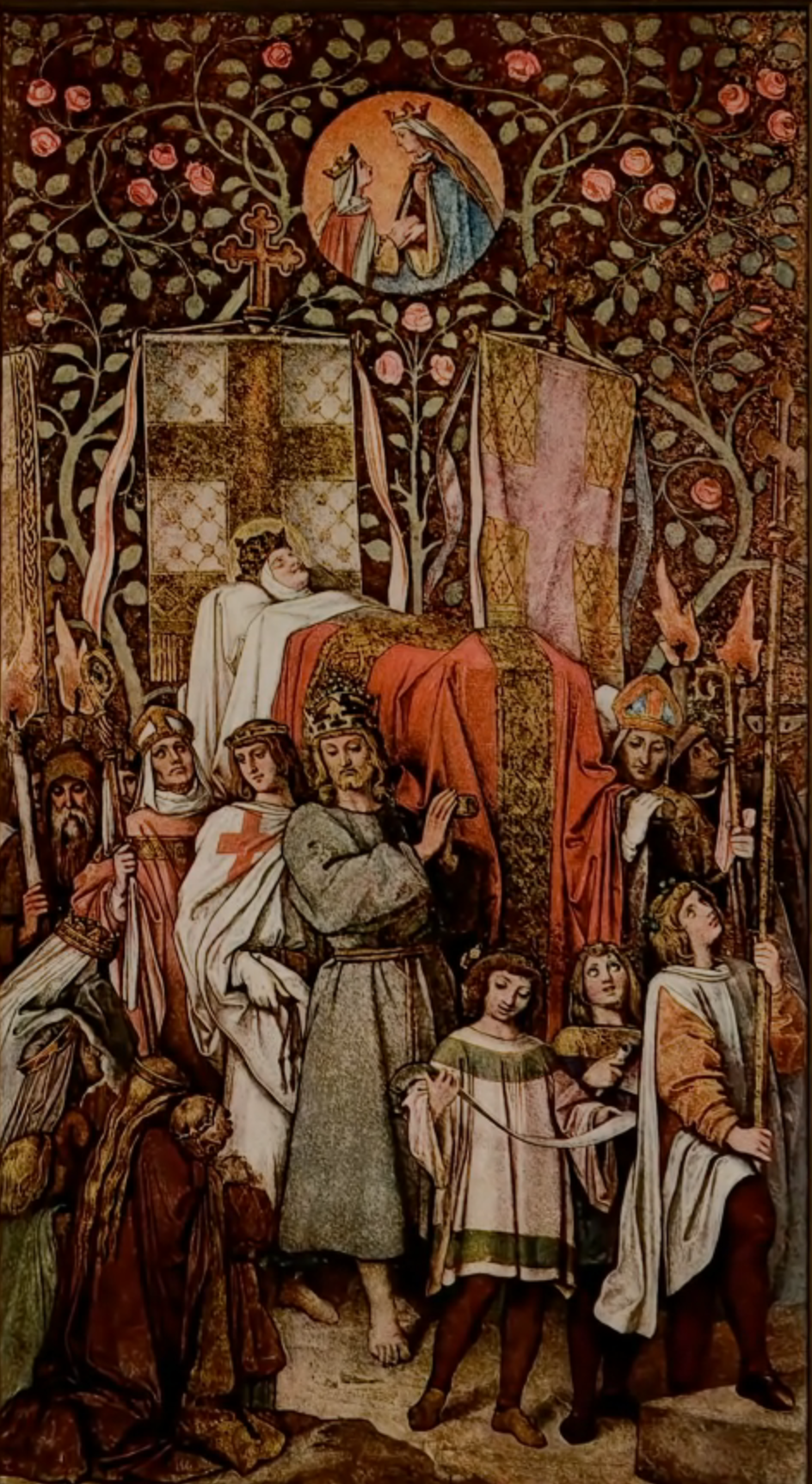
Elisabeth’s work at the hospital in Marburg came to an abrupt end when the young woman died in 1231 at the age of 24. Yet Elisabeth continued to be a source of inspiration and hope even after her death. Her veneration among the common people showed no sign of waning. On the contrary, people saw Elisabeth as a messenger of God and attributed healing powers to her even after her death.
Four years after her death, Elizabeth was canonised by the Pope. Around the same time, the Teutonic Order began construction of St Elizabeth’s Church in her honour. In the years that followed, the cult of St Elizabeth grew to unprecedented proportions. People from all over Europe made pilgrimages to Marburg to the saint’s grave to seek healing and salvation. The once troublesome princess had now become a powerful source of influence and prestige, courted by the Pope, the Emperor and the Teutonic Order. During this period, Marburg became a centre of religious and cultural activity.

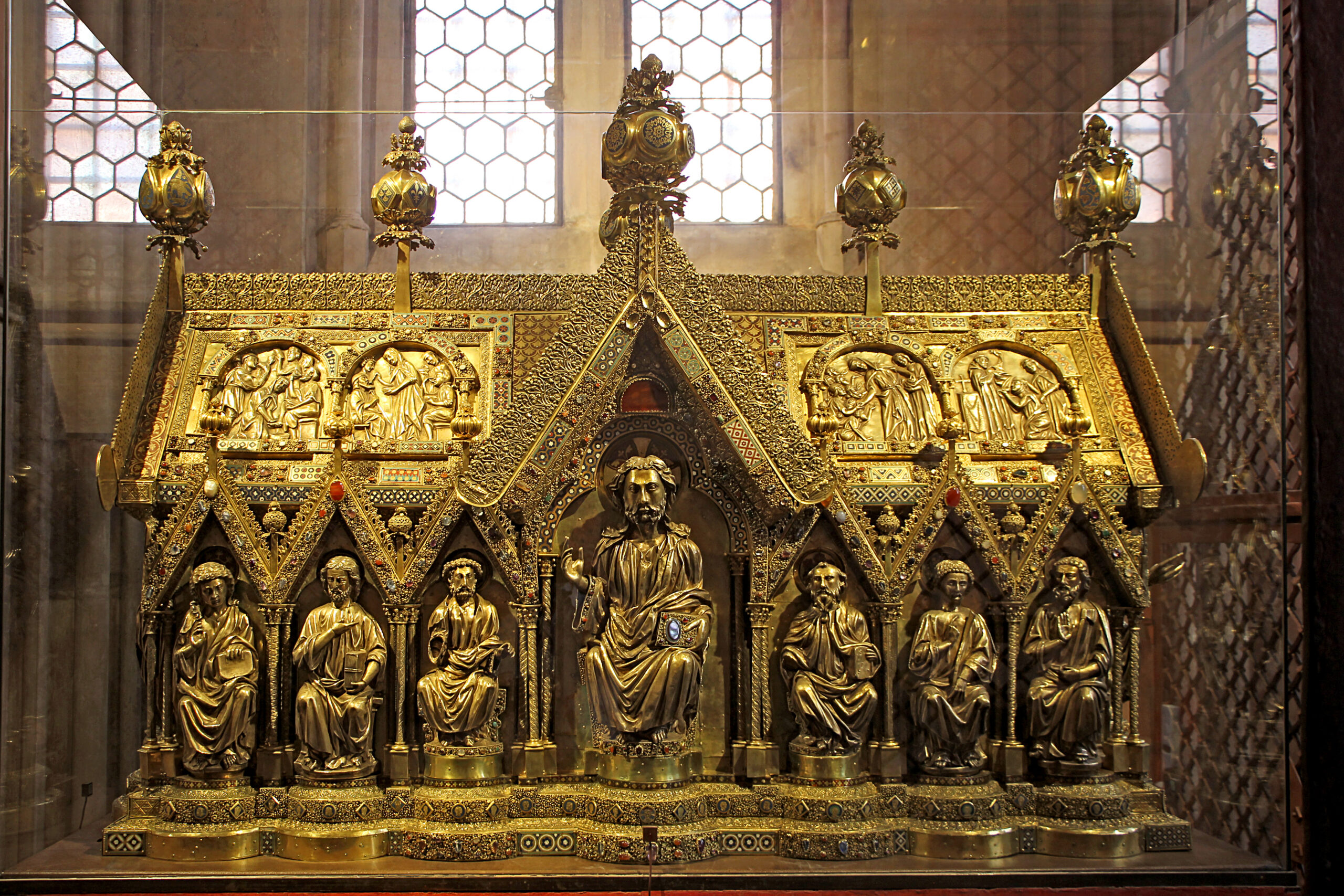
Elisabethschrein: © Heinrich Stürzl / Wikimedia Commons
Towards the end of the 13th century, interest in Elizabeth’s tomb as a place of pilgrimage began to wane, even though Elizabeth was to become the progenitor of a new ruling dynasty. Following the extinction of the Thuringian landgraves in 1247, Elizabeth’s daughter, Sophie of Brabant, founded a new landgrave dynasty for Hessen. People took pride in their descent from the royal princess and saint. It was not until the Reformation reached Hessen in the 16th century that the cult of the saint came to a definitive end, at least at the Landgrave’s court.
According to legend, the cultural anthropologist Margaret Mead was once asked by a student what the first sign of civilisation was. The student probably expected her to say hunting tools, religious artefacts or early forms of political organisation. Mead, however, said that the first sign of civilisation in ancient cultures was a thigh bone that had been broken and then healed. She explained that in the animal kingdom, if you break your leg, you die. You cannot run away from danger, go to the river to drink or hunt for food. You yourself become food for roaming predators. No animal in the wild survives a broken leg long enough for the bone to heal. A broken thigh bone that has healed is proof that someone took the time to stay with the person who had fallen, to bandage the wound, to bring the person to safety, and to care for them during their recovery. Helping someone through difficulties, through care and compassion, is the beginning of civilisation.
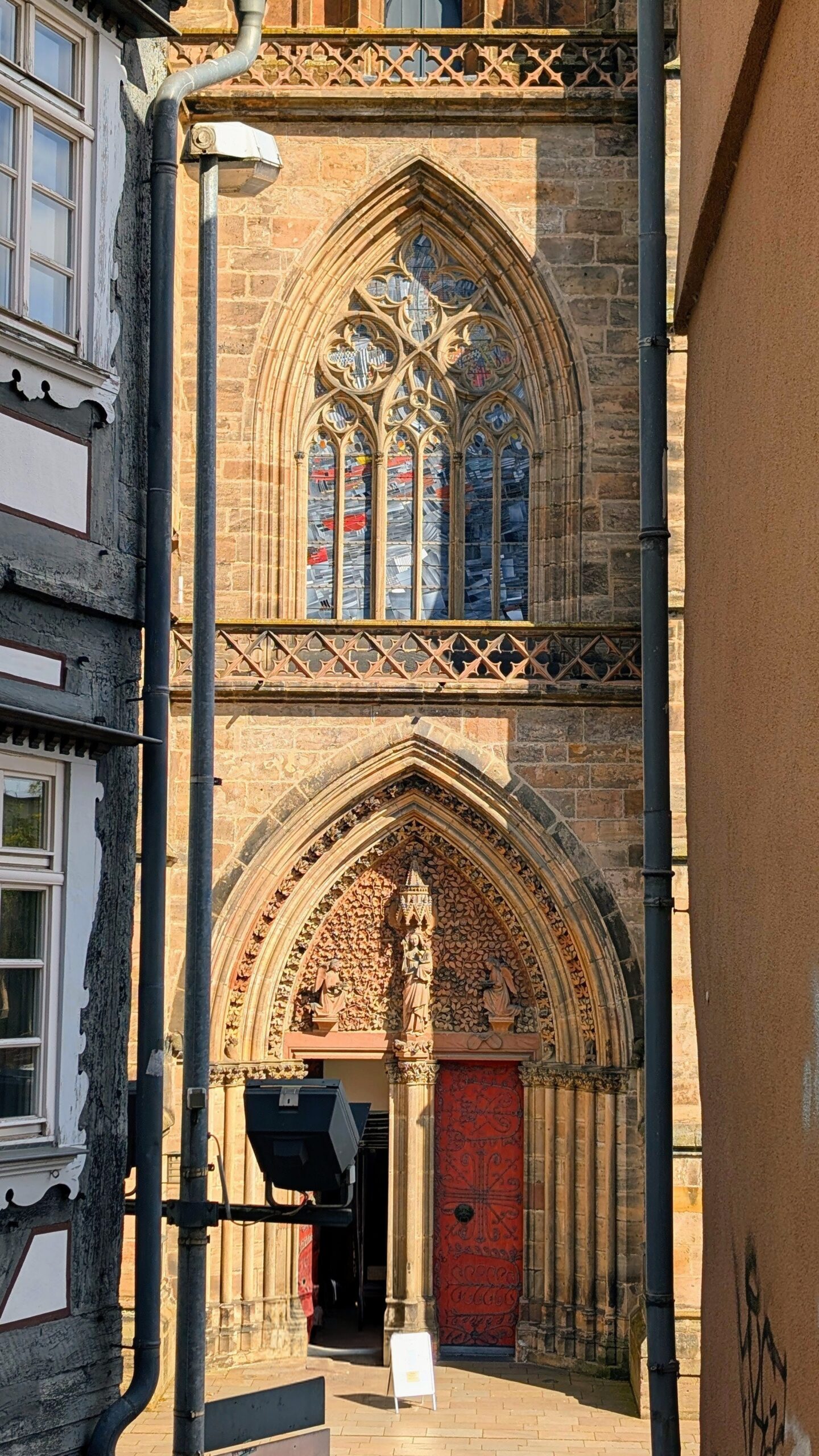
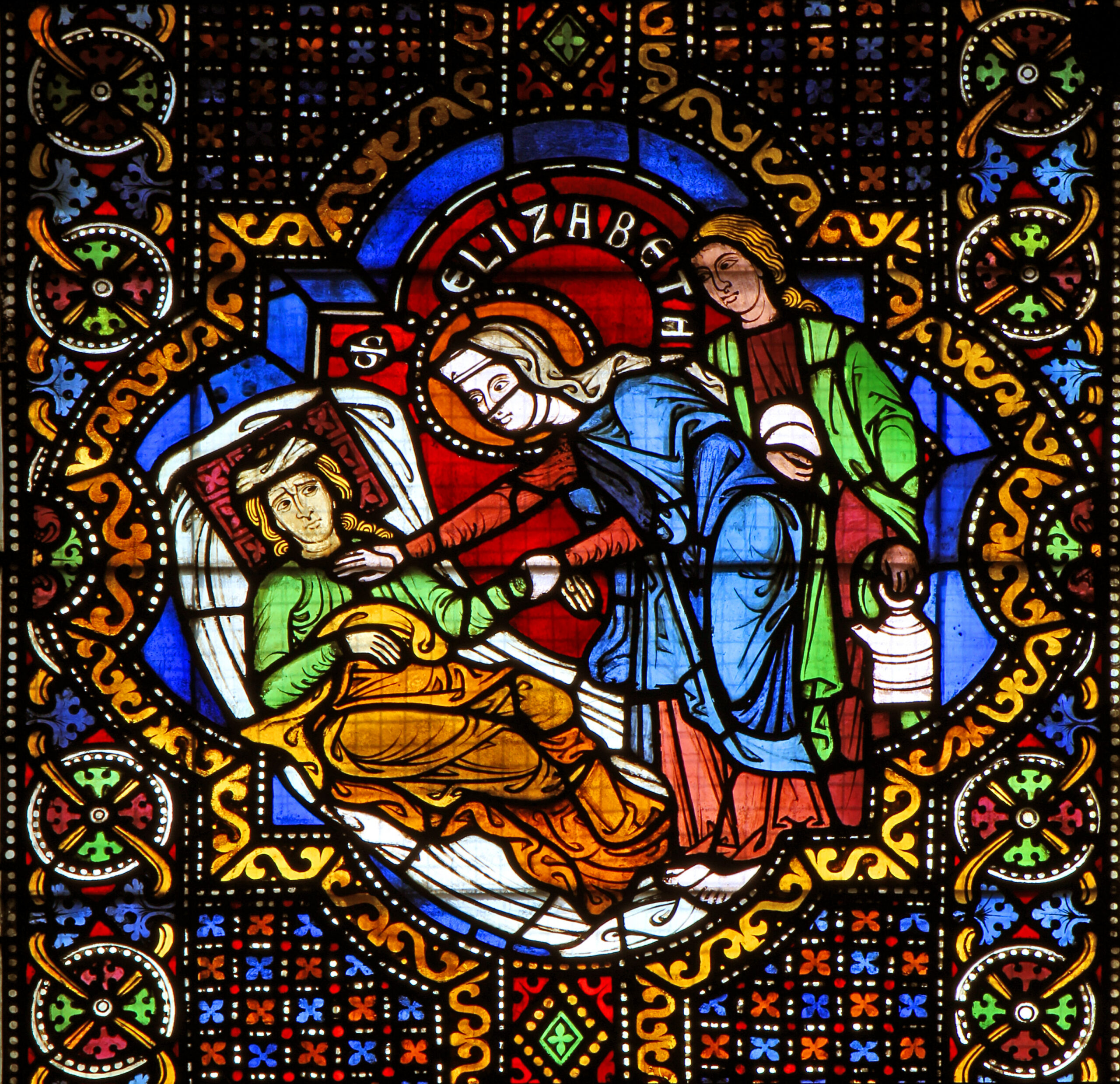
Kirchenfenster Elisabeth: © Heinrich Stürzl / Wikimedia Commons / CC BY-SA 4.0
Whether one is religious or not, one can pay tribute to Elisabeth for her charitable nature and the strength of her convictions. Against fierce opposition, she overcame the extreme class divisions of her time and dedicated her life to serving her fellow human beings. In Mead’s sense, Elisabeth unleashed a civilising force in her time.
Her kindness shines through the centuries as an inspiring example.